
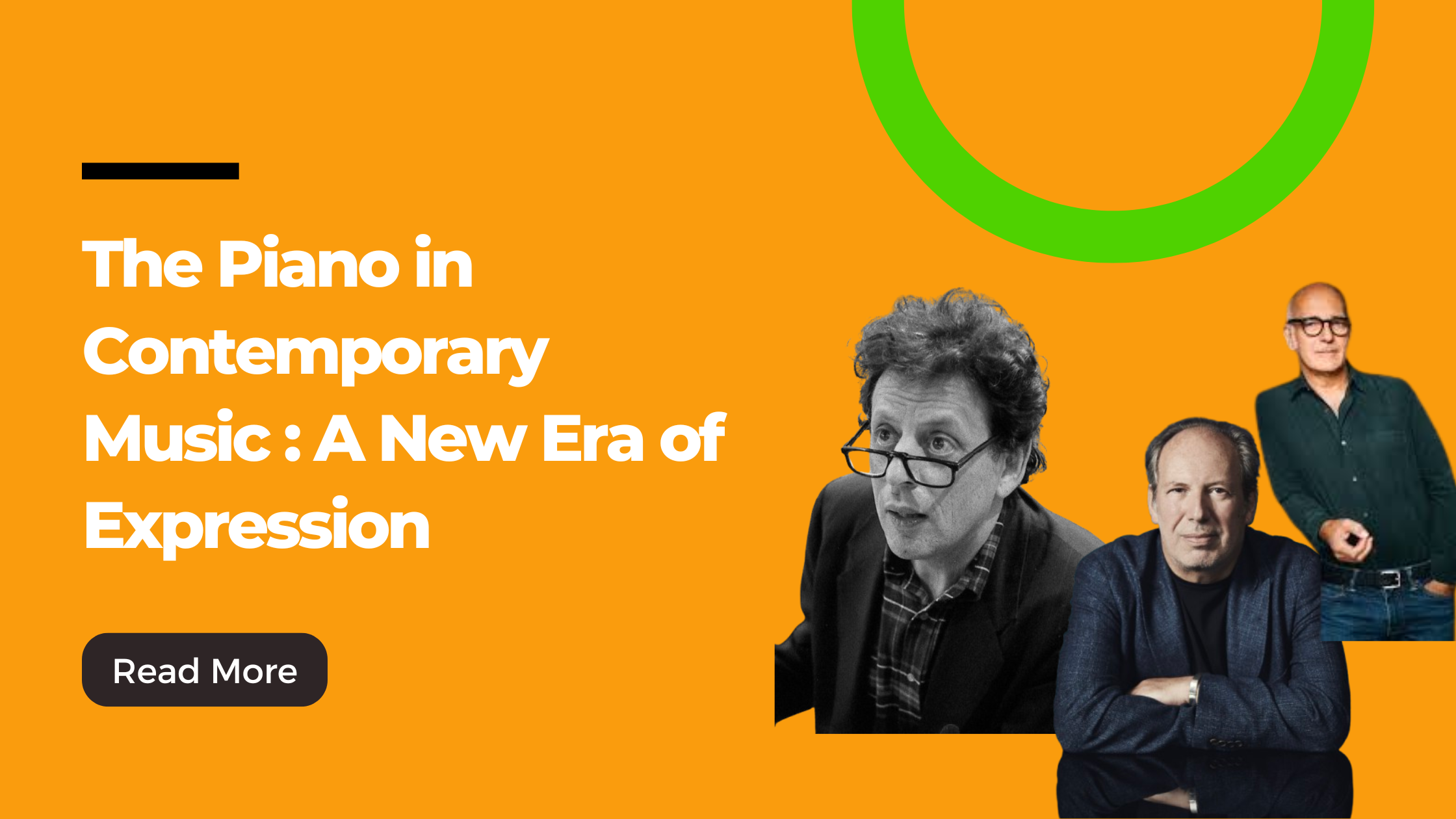
The piano continues to play a significant role in music composition, performance, and education well into the 21st century. Contemporary music spans a wide range of styles, from classical and jazz to pop, electronic, and experimental genres. With new technology and evolving musical influences, the piano remains a versatile tool for composers, performers, and producers alike.
1. The Piano in Contemporary Music: New Horizons
In contemporary music, the piano transcends its traditional role as a classical instrument. It’s at the forefront of innovation, incorporating both traditional techniques and modern approaches to sound. With advances in technology and new playing techniques, the piano can now emulate various genres, explore new textures, and interact with electronic elements.
Key Trends:
- Fusion of Genres: Contemporary composers blend classical, jazz, pop, and electronic music, creating a diverse sound palette.
- Electronic Integration: The integration of electronic pianos, synthesizers, and digital sound manipulation allows new dimensions in sound exploration.
- Extended Techniques: Pianists experiment with prepared pianos, extended pedals, and unconventional playing methods, creating unique soundscapes.
- Minimalism and Contemporary Classical: Minimalism continues to influence piano music, focusing on repetitive patterns and subtle shifts.
- Digital Revolution: The rise of virtual pianos and electronic music has expanded the range of sounds available to composers and performers.
2. Notable Composers and Their Contributions in Contemporary Music
Philip Glass (1937–Present)
A central figure in contemporary classical music, Glass is known for his minimalist compositions that often feature repetitive patterns and shifting harmonies.
- Metamorphosis: A set of piano pieces that reflect Glass’s minimalist style, focusing on repetitive motifs and gradual development.
- Glassworks: An album that combines classical minimalism with a more accessible, popular sound.
- The Hours: A film score for which Glass created a haunting, lyrical piano-driven theme.
Ludovico Einaudi (1955–Present)
An Italian composer whose music blends classical, rock, and electronic elements, Einaudi is known for his cinematic piano pieces and emotionally expressive melodies.
- Nuvole Bianche: A piece that has become one of his most iconic, characterized by simple, repetitive patterns and a deeply emotive feel.
- Divenire: A reflective and melodic work, showcasing Einaudi’s ability to blend modern and classical influences.
- Una Mattina: One of his most popular albums, combining sparse, ambient piano textures with a sense of stillness.
Yann Tiersen (1970–Present)
Tiersen is known for his eclectic approach to piano music, incorporating elements of folk, classical, and electronic music into his compositions.
- Amélie Soundtrack: A whimsical and romantic piano score that became internationally recognized, blending traditional French music with modern soundscapes.
- Le Phare: Tiersen’s early works that reflect his roots in traditional music, combining piano with other instruments in unique ways.
- EUSA: A solo piano album inspired by the landscapes of his native Brittany.
Max Richter (1966–Present)
A German-British composer, Richter is known for blending classical music with electronic elements, creating lush, atmospheric soundscapes.
- Sleep: A groundbreaking album designed to be listened to during sleep, featuring minimal piano lines and electronics to create a meditative atmosphere.
- The Blue Notebooks: A deeply emotional album that mixes piano, strings, and electronic sounds to create a hauntingly beautiful sound.
- Infra: A contemporary classical album that combines piano, strings, and electronics, capturing an emotional depth.
Nils Frahm (1982–Present)
Frahm is a German composer and pianist who combines classical, ambient, and electronic music to create experimental yet accessible piano compositions.
- Felt: An album known for its quiet, intimate sound, with piano played in unconventional ways (e.g., using felt on the strings) to create a muted, textural quality.
- Spaces: A live album that showcases Frahm’s ability to blend classical piano with electronic soundscapes.
- All Melody: An album that merges various genres, using the piano as the central instrument to explore minimalist, ambient, and electronic sounds.
3. The Piano in Contemporary Film and Popular Music
The piano’s role extends beyond concert halls into the world of film and popular music, where its expressive range is used to evoke emotions and tell stories.
Film Scores:
Composers like Hans Zimmer, Alexandre Desplat, and Jóhann Jóhannsson have used the piano to create cinematic scores that are intimate yet grand. The piano’s emotive qualities lend themselves perfectly to the nuances of film, adding depth to characters and storylines.
- Interstellar (Hans Zimmer): A haunting, minimalist piano-driven score that underscores the themes of space and time.
- The Shape of Water (Alexandre Desplat): A whimsical and delicate piano score that complements the film’s fairytale-like quality.
- Arrival (Jóhann Jóhannsson): A sparse, atmospheric piano score that helps convey the film’s sense of mystery and emotional depth.
Popular Music:
In contemporary popular music, artists like Alicia Keys, John Legend, and Regina Spektor have used the piano as a primary instrument for both composition and performance. The piano’s versatility allows these musicians to create diverse sounds, from soulful ballads to upbeat pop anthems.
- If I Ain’t Got You (Alicia Keys): A soulful ballad that showcases the piano’s ability to express raw emotion.
- All of Me (John Legend): A romantic and heartfelt piano-based song that has become a wedding anthem.
- Fidelity (Regina Spektor): A quirky and charming piano-driven song that blends pop and classical influences.
4. The Future of Piano Music in the 21st Century
As technology continues to advance, the piano will undoubtedly continue to evolve. With innovations like virtual pianos, sound manipulation software, and interactive performance technologies, composers and performers are increasingly able to explore new sonic territories. The use of artificial intelligence in music creation may also influence how composers approach piano music in the future.
Conclusion: The Piano’s Enduring Legacy
The piano remains one of the most versatile and expressive instruments in contemporary music. From minimalism to ambient soundscapes and from film scores to popular music, the piano continues to inspire and innovate. Composers like Ludovico Einaudi, Max Richter, and Nils Frahm, among many others, are shaping the future of piano music, blending tradition with modern influences. The instrument is not just a symbol of classical elegance but a dynamic, ever-evolving tool for expression in the 21st century.
What Are Your Favorite Contemporary Piano Composers?
Share your thoughts in the comments and tell us how the piano has inspired you in the modern musical landscape!